Account Reconciliation Software: What to Look For
Reviews · · 10 min read · Ledgerler Content Team
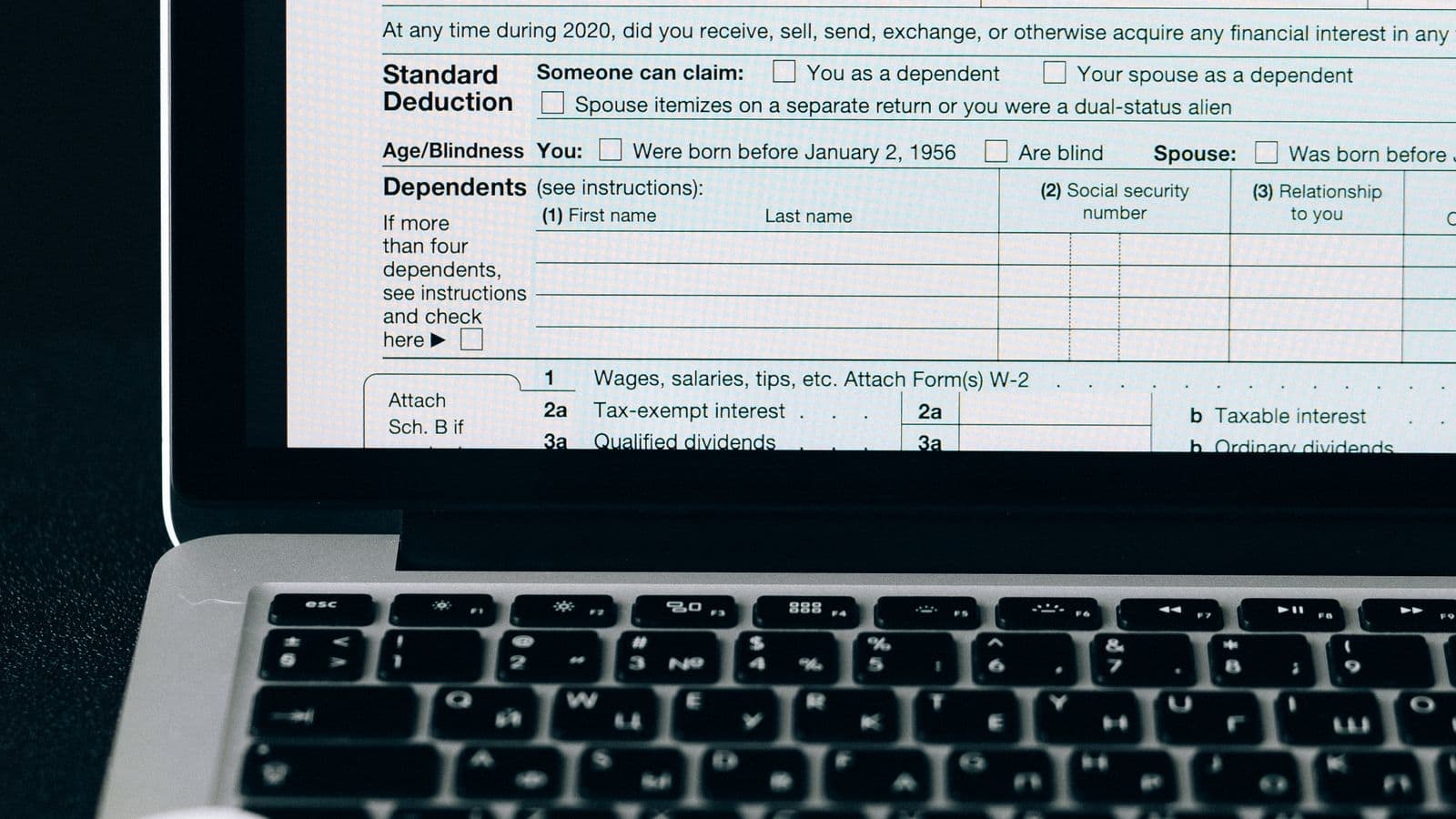
Account reconciliation software is worth buying when it gives the team a clearer exception queue and a better audit trail—not merely a more colourful version of the spreadsheet they already distrust.
Why this matters now
Automation is now easy to demo, but teams still need a process that says who may accept a match, who reviews it and what happens to unresolved items. Choose the operating model before the feature list.
Key takeaways
- Start with an agreed cut-off, named owner and evidence folder; otherwise a reconciliation is only a plausible-looking total.
- Match what is genuinely comparable first, then investigate the exceptions rather than forcing a difference to zero.
- Keep the preparer, reviewer and final sign-off visible. The audit trail is part of the result.
What a good account reconciliation software looks like
A useful reconciliation does more than show two balances. It identifies the source records, the period, the people accountable for the work and each outstanding item. That makes it possible for a reviewer to follow the same trail without asking the preparer to remember what happened three Fridays ago.
The underlying discipline is unglamorous but valuable. The Oracle's Account Reconciliation documentation explains that source records and reconciliations form an audit trail. In practice, the sensible test is simple: could another finance person reproduce the conclusion from the evidence you saved?
A useful test from outside the finance team
Give the pack to someone who did not prepare it. They should be able to identify the account, period, closing balance, outstanding items and next action without opening five different tabs or asking for a verbal tour. If they cannot, the reconciliation may balance, but it is not yet reviewable.
| Check | Evidence to retain | Decision |
|---|---|---|
| Opening position | Prior signed reconciliation or approved ledger | Carry forward only reviewed items |
| Current activity | Statement, report or counterparty schedule | Match by reference, date and amount |
| Exceptions | Ageing and supporting document | Explain, adjust or escalate |
| Completion | Preparer and reviewer sign-off | Lock the period and retain the pack |
A compact review grid for account reconciliation software; amounts are illustrative, not a template for an accounting entry.
A practical account reconciliation software workflow
- Map your current accounts, sources, volume, entity structure and actual exceptions.
- Test matching with real but non-sensitive representative exports, including awkward one-to-many cases.
- Check that rules are transparent, reversible and tied to a source record.
- Confirm evidence retention, owner/reviewer roles and export options with the people who will close the month.
- Pilot one repeatable account before moving the whole close.
Do not confuse a match with a resolution. A matching rule can clear an obvious pair, but an exception needs a reason that would still make sense to a colleague next month. This is where the difference between a quick spreadsheet tick and a controlled close becomes obvious.
Build an evidence pack, not a pile of attachments
Keep the source report, ledger detail and reconciliation together, with a short cover note explaining the balance. Name files consistently: account, entity, period and status are usually enough. A reviewer should not have to guess whether a CSV was exported before or after a correction, or whether a PDF relates to the current close. For material exceptions, save the relevant invoice, statement, correspondence or approval beside the line item rather than relying on a link that may disappear from an inbox.
There is a practical benefit as well as a control benefit. A clean pack turns next month's opening review into a quick check of known open items rather than a forensic exercise. It also makes handovers far less fragile when a bookkeeper is away, an entity changes hands or an auditor asks why a balance moved.
Where software helps, and where it should stop
Software is good at finding candidates, grouping one-to-many movements and keeping a visible list of work left to do. It should not invent an explanation for an unfamiliar journal, a missing supplier credit or a late bank feed. Use a tool to reduce clerical work; keep the accounting judgement with the person who owns the account. Ledgerler's bank reconciliation tool, month-end close checklist and reconciliation templates are designed around that split.
A review conversation worth having
A reviewer does not need to reperform every tick mark. Their job is to challenge the areas where a neat looking answer can conceal weak evidence: an unusually large movement, an item that has remained open for several periods, a manual journal near cut-off or an explanation that relies on one person's memory. Ask for the document, the timeline and the proposed resolution. It is a calm, specific conversation—not an accusation—and it keeps small loose ends from becoming permanent balance-sheet furniture.
- Does the support cover exactly the same entity, currency and period as the ledger?
- Is the largest movement explained in plain language with a source document?
- Are old items genuinely timing differences, with evidence that they cleared later?
- Does a correction need approval, a journal entry or a conversation with another team?
- Would the next reviewer know what to do if the same exception appears next month?
A realistic example: the awkward line, not the easy ones
A bookkeeper trialled a tool on a client's three bank accounts. It matched obvious transactions quickly, but its real value was the exceptions board: £16,000 of processor payouts were grouped by settlement rather than left as forty cryptic lines. The firm kept manual review for the group, then saved the explanation for next month.
The lesson is not that every difference is an error. Timing differences, genuine disputes and incomplete operational hand-offs all exist. The job is to label them accurately, record the next action and prevent an old unknown item from quietly becoming normal.
When an exception should be escalated
Escalate when an item is material for the business, appears to be a duplicate or unsupported entry, has stayed unresolved beyond the agreed ageing threshold, affects a tax or payroll obligation, or suggests a control failure. Escalation should state the facts rather than leap to a conclusion: the account, amount, dates, evidence reviewed, owner and decision needed. That gives a manager, accountant or client enough to act quickly without having to reconstruct the investigation from a string of messages.
If the difference could indicate fraud or an error in published reporting, preserve the original records, limit unnecessary changes and follow the organisation's finance or reporting policy. Do not tidy up an unexplained line simply because close day is approaching. A documented open exception is safer than a zero that nobody can explain.
Common pitfalls
- Choosing on match-rate claims without testing your own data shape.
- Treating a vendor's workflow as a substitute for account ownership.
- Buying enterprise complexity for a team that only needs a controlled bank rec.
The ACFE 2024 Report to the Nations is worth keeping in the evidence pack when designing controls. Its practical message is useful: records, review and a clear exception path make it harder for a misleading number to survive untouched.
FAQs
What does reconciliation software do?
It imports or accepts source records, proposes matches, surfaces exceptions and preserves review evidence so account balances can be explained.
Can reconciliation software replace accountants?
No. It reduces clerical matching; people still need to assess accounting treatment, unusual transactions and unresolved evidence.
What should a small firm prioritise?
Simple imports, clear exceptions, named ownership, accessible evidence and pricing that fits the number of active accounts or clients.
Ready to turn this into a repeatable routine? Begin with the free bank reconciliation tool, month-end close checklist and reconciliation templates. Start with one account, agree the evidence standard, then add volume only after the reviewer can see exactly what has been done.